Top Waterproof Bags and Pouches for Your Gadgets
Waterproof Bags and Pouches for Your Gadgets
Your gadgets aren’t cheap, and water can ruin them in seconds.
Whether you’re heading to the beach, going kayaking, hiking in the rain, traveling, camping, or simply commuting during a storm, a waterproof bag or pouch gives your electronics an extra layer of protection.
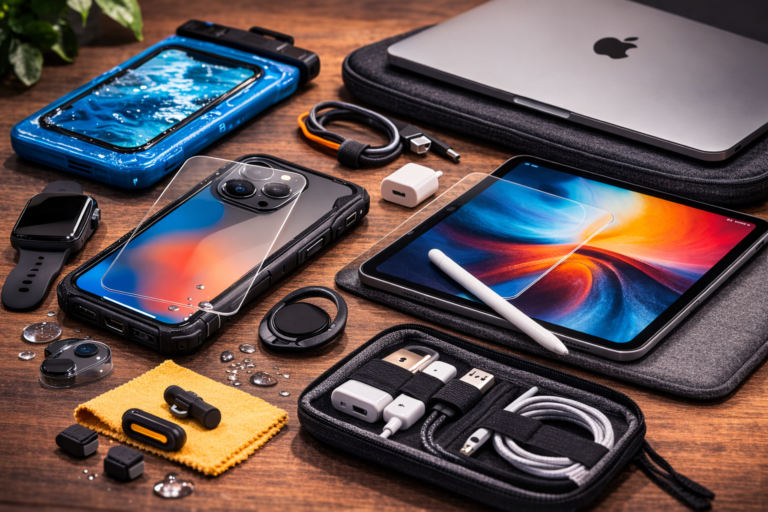
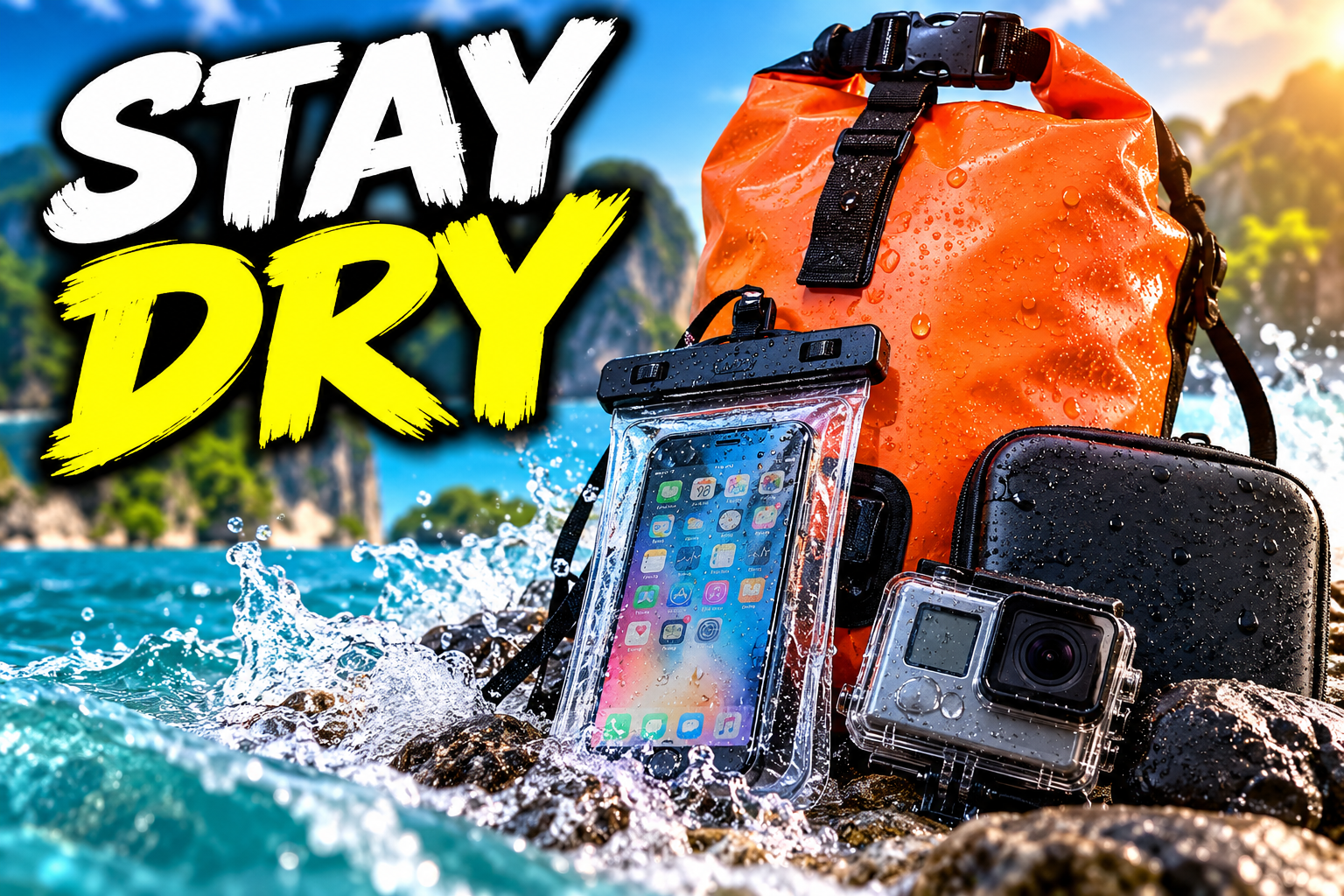
The good news? You don’t necessarily need a huge dry bag. There are waterproof pouches designed specifically for smartphones, while larger waterproof bags can protect cameras, tablets, chargers, power banks, cables, and other electronics.
The key is choosing the right level of protection for what you’re carrying.
Below, we’ll look at the best types of waterproof bags and pouches for gadgets, what to look for before buying, and which features are actually worth paying for.
Best Waterproof Bags and Pouches for Gadgets
| Best For | Recommended Type | Why It’s Useful |
|---|---|---|
| Smartphones | Waterproof phone pouch | Protects your phone while keeping it accessible |
| Chargers & cables | Small waterproof pouch | Keeps small electronics organized and dry |
| Cameras | Waterproof camera bag | Adds protection for expensive camera equipment |
| Tablets | Waterproof tablet sleeve | Protects larger electronics from moisture |
| Beach trips | Waterproof dry bag | Protects multiple gadgets at once |
| Kayaking & boating | Roll-top dry bag | Designed for wet environments |
| Travel | Waterproof electronics organizer | Keeps cables and accessories together |
| Hiking | Waterproof backpack or dry bag | Protects electronics from rain and moisture |
What to Look for in a Waterproof Gadget Bag
Not every bag marketed as “waterproof” provides the same level of protection.
Before buying, pay attention to the construction, closure system, size, and intended use.
Waterproof vs. Water-Resistant
This is one of the most important distinctions.
A water-resistant pouch may protect your gadgets from light rain, splashes, and accidental spills. A truly waterproof bag is designed to provide substantially stronger protection against water exposure.
If you’re taking electronics kayaking or boating, I’d choose a product specifically designed for serious water exposure rather than relying on a basic water-resistant pouch.
Waterproof Closure
The closure is often the weakest point of a waterproof bag.
Common designs include:
- Zip closures
- Roll-top closures
- Snap-lock systems
- Fold-over closures
- Compression seals
For everyday use, a waterproof zipper can be convenient. For outdoor activities, roll-top dry bags are popular because they create a simple, secure closure without depending on a traditional zipper.
Size and Capacity
Think about what you’re actually carrying.
A small waterproof phone pouch might be perfect for your smartphone, driver’s license, and a few cards. But if you need to protect a camera, power bank, charging cables, headphones, and tablet, you’ll want considerably more room.
Don’t buy the biggest bag just because it offers more capacity. Extra space can make your gear harder to organize.
Interior Organization
If you’re carrying several gadgets, organization matters.
Look for compartments, mesh pockets, elastic loops, or padded sections that keep accessories separated.
A waterproof bag that protects everything but turns your charging cables into one giant knot isn’t exactly a perfect solution.
Best Waterproof Phone Pouches
A waterproof phone pouch is one of the simplest ways to protect a smartphone around water.
They’re particularly useful for:
- Beach vacations
- Swimming pools
- Cruises
- Kayaking
- Fishing
- Water parks
- Boating
- Rainy outdoor events
Many phone pouches are designed with transparent fronts, allowing you to see and interact with the phone without removing it.
When shopping on Amazon, pay close attention to the compatible phone size and the manufacturer’s waterproofing claims.
Buying tip: Look for waterproof phone pouches with a secure locking mechanism and clear touchscreen-compatible material.
Best Waterproof Bags for Chargers and Cables
Chargers, USB cables, power banks, memory cards, and earbuds are easy to lose and surprisingly vulnerable to moisture.
A compact waterproof electronics pouch can solve both problems.
Instead of throwing everything into your backpack, use a dedicated pouch for your electronics accessories.
This is especially useful when traveling.
You can keep your:
- Phone charger
- USB-C cables
- Lightning cables
- Power bank
- Wall adapter
- Memory cards
- Earbuds
- Charging adapters
in one place.
For travelers, I’d look for a pouch with several compartments rather than a completely open interior.
Best Waterproof Camera Bags
Cameras deserve more protection than a basic waterproof pouch.
A waterproof camera bag should ideally provide both water protection and physical protection.
Look for:
- Waterproof or highly water-resistant exterior
- Padded interior
- Adjustable dividers
- Secure closures
- Room for lenses and accessories
- Comfortable carrying options
A good camera bag can protect your equipment from more than rain. It can also help prevent scratches, bumps, and accidental drops.
For expensive camera equipment, don’t choose solely based on price. The cost of replacing a damaged camera can dwarf the difference between a basic bag and a better protective case.
Waterproof Tablet Sleeves and Bags
Tablets occupy an awkward middle ground.
They’re too large for many phone pouches but small enough that carrying them in a full-size dry bag can feel excessive.
A waterproof tablet sleeve can be a better solution.
These sleeves are useful for:
- Travel
- Camping
- Outdoor work
- Commuting
- Beach trips
- Boats
- Poolside use
Check the internal dimensions carefully before ordering. Tablet sizes vary considerably, and a case that technically fits your tablet may not leave enough room for the device’s existing protective cover.
Best Waterproof Dry Bags for Multiple Gadgets
If you’re carrying several electronics, a waterproof dry bag may be the most practical option.
A dry bag can hold multiple items together while providing protection against rain, splashes, and wet environments.
They’re especially useful for:
- Kayaking
- Canoeing
- Fishing
- Boating
- Camping
- Hiking
- Beach trips
- Adventure travel
A roll-top design is particularly useful because you can adjust the bag’s size based on how much you’re carrying.
For electronics, consider placing particularly valuable gadgets inside individual waterproof pouches before putting them inside the larger dry bag.
That’s a simple example of layered protection.
Waterproof Electronics Organizer vs. Dry Bag
Which should you buy?
It depends on what you’re trying to accomplish.
A waterproof electronics organizer is better when organization is your priority.
A dry bag is better when water protection and capacity are your priorities.
For example, someone traveling with a phone charger, laptop accessories, cables, and memory cards might prefer an electronics organizer.
Someone kayaking with a phone, camera, power bank, and other gear may prefer a dry bag.
And there’s nothing wrong with using both.
Put your organized electronics pouch inside a waterproof dry bag, and you get organization plus another layer of protection.
Best Waterproof Bags for Travel
Travel creates a surprisingly large number of opportunities for electronics to get wet.
Think about rain at the airport, spilled drinks, poolside activities, beach excursions, boat tours, and luggage sitting on wet surfaces.
A small waterproof electronics bag takes up very little room and can protect the accessories you need most.
For longer trips, consider bringing:
- A waterproof phone pouch
- A small electronics organizer
- A larger waterproof dry bag
You don’t necessarily need all three, but this combination covers a wide range of situations.
Waterproof Gadget Bags for the Beach
The beach is one of the worst environments for electronics.
You’ve got water, sand, sunscreen, humidity, and plenty of opportunities to drop something.
A waterproof beach pouch can protect your phone and small accessories while keeping them together.
For larger electronics, a dry bag is more practical.
One important tip: water isn’t the only thing you need to worry about.
Sand can work its way into ports, buttons, zippers, and moving parts. Keeping your electronics enclosed when you’re not using them can help reduce exposure.
Waterproof Bags for Kayaking and Boating
For kayaking and boating, I’d take waterproofing more seriously.
Your gear may not just encounter rain or splashes. It could end up completely submerged.
A roll-top dry bag is a popular solution because it can keep multiple items together and provide an additional barrier against water.
For expensive electronics, consider using individual waterproof cases or pouches inside the dry bag.
That’s particularly important for cameras, phones, GPS devices, and other equipment you don’t want to replace.
Are Waterproof Gadget Bags Worth It?
For relatively inexpensive electronics, you might wonder whether a waterproof bag is necessary.
I’d say the answer depends on how you use your gadgets.
If your phone, camera, tablet, or other electronics regularly accompany you outdoors, a waterproof bag can be inexpensive insurance.
Think about the replacement cost.
A $20 to $40 protective bag may seem unnecessary until it prevents a $500 phone or $1,000 camera from getting damaged.
The best waterproof bag isn’t necessarily the most expensive one. It’s the one that matches the environment and equipment you’re protecting.
How to Choose the Right Waterproof Bag
Use these questions before buying:
What am I protecting?
A phone needs a very different solution from a DSLR camera.
Where will I use it?
Rain and occasional splashes require less protection than kayaking or boating.
How much gear do I need to carry?
Choose enough capacity without creating unnecessary bulk.
Do I need organization?
If you’re carrying multiple cables and accessories, compartments can make a huge difference.
Will I need to access my device frequently?
A transparent waterproof phone pouch may be better than constantly opening a dry bag.
Does my existing case need to fit inside?
Don’t forget to account for the size of your phone, tablet, or camera case.
Protect Your Gadgets
Water and electronics don’t mix.
The right waterproof bag or pouch can give you inexpensive protection without adding much weight to your gear.
For everyday use, a waterproof phone pouch or compact electronics organizer may be all you need. For outdoor adventures, a larger roll-top dry bag makes more sense. And if you’re carrying expensive camera equipment, look for a solution that combines waterproofing with padding and organization.
The smartest approach is to match the bag to the environment rather than simply buying the most heavily marketed “waterproof” product.
Before purchasing, check the dimensions, closure system, waterproof rating or manufacturer specifications, and recent customer reviews.
Then choose the protection level that makes sense for your gear.
Frequently Asked Questions
What is the best waterproof bag for electronics?
The best option depends on the electronics you’re carrying. A waterproof phone pouch works well for smartphones, while a larger dry bag is better for protecting multiple gadgets.
Can I put electronics in a waterproof dry bag?
Yes. Dry bags are commonly used to protect electronics from water exposure. For valuable electronics, using an additional waterproof pouch or protective case inside the dry bag can provide another layer of protection.
Are waterproof phone pouches really waterproof?
Some are designed for substantial water exposure, but performance varies by product. Always follow the manufacturer’s instructions and check the stated waterproofing specifications before exposing an expensive device to water.
What is the difference between a dry bag and a waterproof pouch?
A dry bag is generally larger and designed to carry multiple items. A waterproof pouch is typically smaller and designed for individual items such as phones, cards, cameras, or small electronics.
Can I take a waterproof phone pouch swimming?
Some waterproof phone pouches are specifically designed for underwater use, but you should verify the manufacturer’s depth and usage specifications before submerging your phone.
What should I keep in a waterproof electronics bag?
Useful items include charging cables, power banks, adapters, memory cards, earbuds, portable chargers, and other small electronics accessories.
Amazon Affiliate Disclosure: As an Amazon Associate, we may earn from qualifying purchases made through links on this page. This doesn’t affect the price you pay.